As Window vs split air conditioner: which is better? takes center stage, this opening passage beckons readers with an engaging overview of the topic, setting the stage for a detailed comparison between these two popular air conditioning options.
Introduction
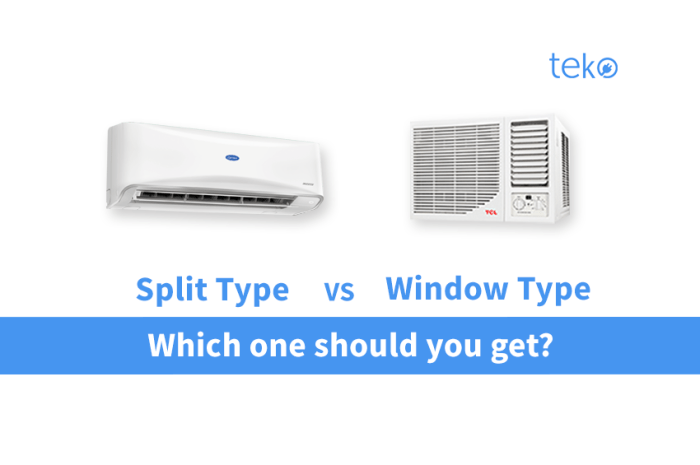
When it comes to cooling your space, two popular options are window air conditioners and split air conditioners. While both serve the same purpose, they have distinct differences in terms of design, installation, and functionality. Let's delve into the basic disparities between these two types of air conditioners.
Differences in Design and Installation
- Window Air Conditioners: These units are typically installed in a window frame or through a wall opening. They are self-contained systems with all components housed in a single unit.
- Split Air Conditioners: On the other hand, split air conditioners consist of two main components - an indoor unit and an outdoor unit. The indoor unit is usually mounted on a wall or ceiling inside the room, while the outdoor unit is placed outside the building.
Key Components of Each Type
- Window Air Conditioners:
- Compressor
- Evaporator Coil
- Condenser Coil
- Air Filter
- Fan
- Split Air Conditioners:
- Indoor Unit: Contains the evaporator coil, air filter, and fan.
- Outdoor Unit: Houses the compressor and condenser coil.
- Refrigerant Lines: Connect the indoor and outdoor units.
- Remote Control: Used to adjust settings and control the unit.
Installation
When it comes to installing air conditioners, both window and split AC units have different processes. Let's take a closer look at how each one is installed:
Window Air Conditioners
Installing a window air conditioner is a relatively straightforward process. Here are the basic steps involved:
- Choose a suitable window: Select a window where the unit can be securely mounted and where there is access to an electrical outlet.
- Prepare the window: Clean the area where the unit will be installed and make sure the window is secure and can support the weight of the AC.
- Mount the unit: Lift the window AC into place and secure it using the mounting brackets provided. Make sure it is properly aligned and level.
- Seal the gaps: Use foam insulation or weather stripping to seal any gaps around the unit to prevent hot air from entering and cool air from escaping.
- Connect the power: Plug the unit into a nearby electrical outlet and turn it on to ensure it is working properly.
Split Air Conditioners
Installing a split air conditioner is a bit more complex compared to a window unit. Here's an overview of the installation process:
- Indoor unit placement: Mount the indoor unit on a wall in the desired room, making sure it is at an appropriate height and location for optimal cooling.
- Outdoor unit placement: Install the outdoor unit in a well-ventilated area, such as on a rooftop or balcony, ensuring it is securely mounted and has proper clearance for airflow.
- Refrigerant tubing: Connect the indoor and outdoor units with refrigerant tubing, electrical wiring, and a drain pipe, following the manufacturer's instructions carefully.
- Test the system: Once everything is connected, test the AC to ensure it is cooling effectively and there are no leaks or issues with the installation.
- Professional help: Due to the complexity of split AC installations, it is recommended to hire a professional HVAC technician to ensure the unit is installed correctly.
Energy Efficiency
When comparing window and split air conditioners, one crucial factor to consider is their energy efficiency. This aspect not only affects the environment but also has a significant impact on utility bills.
Comparison of Energy Efficiency
Split air conditioners are generally more energy-efficient compared to window air conditioners. This is because split AC units have advanced features like inverter technology, which allows them to adjust the compressor speed based on the room's cooling requirements. On the other hand, window AC units operate at a fixed speed, leading to higher energy consumption.
Impact on Utility Bills
The energy efficiency of an air conditioner directly affects utility bills. Since split air conditioners consume less energy to cool a room efficiently, they result in lower electricity bills compared to window air conditioners. Over time, the savings from using a more energy-efficient split AC can offset the initial higher cost of purchase and installation
Cooling Performance
Window air conditioners are known for their ability to cool smaller spaces effectively. They are designed to cool a single room or area, making them a suitable option for apartments or small houses. The cooling performance of window air conditioners is efficient in providing quick relief from hot temperatures, especially during the summer months.Split air conditioners, on the other hand, offer enhanced cooling performance compared to window units.
Split ACs consist of two unitsan indoor unit and an outdoor unit connected by refrigerant lines. This setup allows split air conditioners to cool larger spaces more evenly and effectively. The distribution of cool air is better with split ACs, making them ideal for larger rooms or multiple connected areas.
Window Air Conditioners Cooling Performance
- Designed for smaller spaces like individual rooms or apartments.
- Effective in providing quick cooling relief during hot seasons.
- May struggle to cool larger or interconnected areas efficiently.
Split Air Conditioners Cooling Performance
- Offer enhanced cooling performance compared to window units.
- Consist of an indoor and outdoor unit for better distribution of cool air.
- Ideal for larger spaces or multiple connected rooms due to their even cooling capabilities.
Maintenance
When it comes to maintaining air conditioners, both window and split units require regular upkeep to ensure optimal performance and longevity. Let's delve into the specific maintenance requirements for each type of air conditioner.
Window Air Conditioners
Window air conditioners are relatively easy to maintain compared to split units. Here are some key maintenance procedures for window air conditioners:
- Regularly clean or replace the air filter to ensure proper airflow and cooling efficiency.
- Check and clean the condenser coils to prevent dust and debris buildup, which can affect cooling performance.
- Inspect the window seal to ensure a tight fit, preventing warm air from entering the room and causing the unit to work harder.
- Monitor the drainage system and remove any blockages to prevent water leakage or mold growth.
Split Air Conditioners
Split air conditioners require more in-depth maintenance compared to window units due to their dual-component setup. Here are some maintenance procedures for split air conditioners:
- Clean or replace the air filters in both the indoor and outdoor units to maintain proper airflow and cooling efficiency.
- Regularly inspect and clean the evaporator and condenser coils to prevent dust accumulation and ensure optimal heat exchange.
- Check the refrigerant levels and look for any leaks, as low refrigerant can affect cooling performance.
- Inspect the drainage system and remove any blockages to prevent water leaks or damage to the unit.
Cost
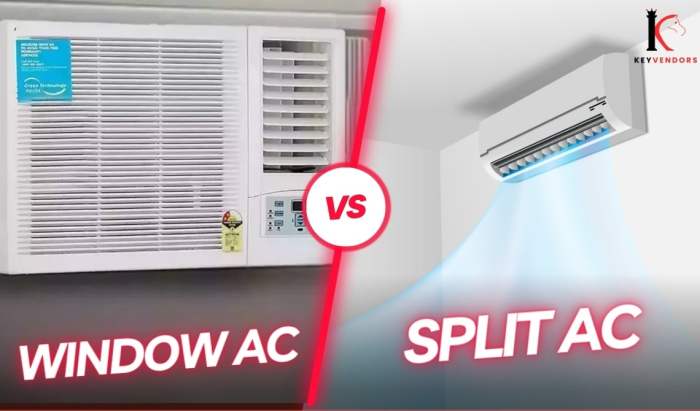
When it comes to deciding between a window and split air conditioner, cost is a significant factor to consider. The initial cost of purchasing and installing these two types of air conditioners can vary, as well as the long-term costs associated with maintenance and repairs.
Initial Cost
Window air conditioners are generally more affordable in terms of initial cost compared to split air conditioners. This is because window units are simpler in design and installation, requiring less labor and materials.
Long-Term Costs
While window air conditioners may have a lower initial cost, they can be less energy-efficient, leading to higher electricity bills over time. Additionally, window units may require more frequent maintenance and repairs due to their all-in-one design, which can incur additional costs.
On the other hand, split air conditioners are typically more energy-efficient, which can result in lower long-term operating costs. These units also have separate indoor and outdoor components, making maintenance and repairs easier and potentially less costly compared to window air conditioners.
Final Conclusion
In conclusion, the discussion surrounding Window vs split air conditioner: which is better? highlights the key differences and factors to consider when choosing between these cooling systems. It's clear that both types have their advantages and drawbacks, ultimately depending on individual needs and preferences.
Essential FAQs
Which type of air conditioner is easier to install, window or split?
Window air conditioners are generally easier to install compared to split air conditioners, which require professional installation due to their more complex setup.
Are split air conditioners more energy efficient than window units?
Split air conditioners are often more energy efficient than window units, as they have advanced technology that allows for better cooling with less power consumption.
Do window air conditioners require more maintenance than split systems?
Window air conditioners typically require more frequent maintenance compared to split systems, as they are more exposed to outdoor elements and debris.


![The 7 Best Smartwatches For Healthy Living [Shopper's Guide]](https://insurance.fokusmuria.co.id/wp-content/uploads/2025/10/5f879335418e92160512656e_6BNQQ5reHfxbkZCVFbk6-DO1qchTB6iQVB21qfie9Um6A3ncklhfZ6SKFyoHc2_SenpLkgZcvNhCuoMuZTzc1a3Izlx_wwvqQvWuRG5Y36CIrcicNd5cn6P3pBBGMOof4SGaRw0-120x86.jpeg)