In a world where health is a top priority, digital health apps that actually work have become essential tools for many. Let's delve into the realm of these innovative apps that are revolutionizing the way we approach wellness and healthcare.
As we explore the key features, user experience, integration with wearable devices, evidence-based practices, and success stories of digital health apps, you'll discover a wealth of information to help you make informed choices for your health journey.
Overview of Digital Health Apps

Digital health apps are applications designed to help individuals manage their health and wellness using digital platforms. These apps cover a wide range of functionalities, including tracking physical activity, monitoring nutrition intake, managing chronic conditions, and even connecting with healthcare providers remotely.
Popular Digital Health Apps
- MyFitnessPal: A popular app for tracking food intake and physical activity, helping users maintain a healthy lifestyle.
- Headspace: Known for its guided meditation sessions, this app promotes mental well-being and stress reduction.
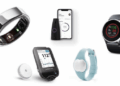
- Fitbit: A wearable device that syncs with its app to track fitness metrics like steps taken, heart rate, and sleep patterns.
Benefits of Using Digital Health Apps
- Convenience: Digital health apps provide easy access to health information and resources anytime, anywhere.
- Personalization: These apps offer personalized recommendations based on individual health goals and preferences.
- Monitoring: Users can track their progress, set goals, and receive reminders to stay on top of their health routines.
- Remote Access: Digital health apps enable remote consultations with healthcare professionals, improving access to care.
Features to Look for in Effective Digital Health Apps
When looking for a digital health app, it is essential to consider the features that contribute to its effectiveness in helping you achieve your health goals. These features can vary from app to app, so it's crucial to compare and contrast them to find the ones that best suit your needs.
Data Tracking and Analysis
- Some digital health apps offer comprehensive data tracking capabilities, allowing you to monitor various health metrics such as physical activity, sleep patterns, nutrition intake, and more.
- Effective apps provide detailed analysis of the collected data, offering insights and trends that can help you make informed decisions about your health and wellness.
- By tracking and analyzing your health data over time, you can better understand your habits and progress towards your goals, ultimately leading to improved health outcomes.
Goal Setting and Progress Tracking
- Look for apps that allow you to set specific health goals, whether it's weight loss, increased physical activity, better sleep, or managing a chronic condition.
- Effective digital health apps enable you to track your progress towards these goals, providing motivation and accountability along the way.
- By setting achievable milestones and tracking your progress, you can stay motivated and focused on making positive changes to your health and well-being.
Personalization and Customization
- Choose apps that offer personalized recommendations and content based on your individual health profile, preferences, and goals.
- Effective apps allow you to customize settings, notifications, and features to tailor the app to your specific needs and preferences.
- Personalization and customization ensure that the app meets your unique requirements, making it more engaging and relevant to your health journey.
User Experience and Interface Design
User experience plays a crucial role in the success of digital health apps. A well-designed interface can significantly impact user engagement and adherence to health recommendations. Let's explore the importance of user experience and interface design in digital health apps.
Importance of User Experience
Effective digital health apps prioritize user experience to ensure seamless navigation, intuitive interactions, and engaging features. A user-friendly interface can enhance the overall user satisfaction and encourage users to actively participate in their health journey.
Examples of User-Friendly Interface Designs
- MyFitnessPal: This app offers a simple and easy-to-navigate interface for tracking nutrition, exercise, and weight management. Users can quickly log their meals and activities, making it convenient to stay on top of their health goals.
- Headspace: Known for its calming design and soothing color palette, Headspace provides a tranquil user experience for mindfulness and meditation practices. The app's interface promotes relaxation and stress relief, creating a positive user engagement.
- Calm: With visually appealing landscapes and serene animations, Calm focuses on creating a peaceful user interface for mental well-being. The app's design encourages users to engage in meditation and relaxation exercises effortlessly.
Enhancing User Engagement and Adherence
A well-designed interface can enhance user engagement by making the app visually appealing, easy to use, and interactive. By offering a seamless user experience, digital health apps can increase user retention and motivate individuals to follow through with health recommendations.
Clear navigation, personalized features, and engaging visuals all contribute to a positive user experience that promotes adherence to healthy habits
Integration with Wearable Devices and IoT
When it comes to digital health apps, integration with wearable devices and IoT technology has revolutionized the way we track and manage our health. This seamless connectivity between apps and devices offers a plethora of benefits for users looking to monitor their health metrics and receive personalized insights.
Benefits of Integration
- Accurate Health Tracking: By syncing with wearable devices such as fitness trackers or smartwatches, digital health apps can provide real-time data on various health metrics like heart rate, sleep patterns, and activity levels.
- Personalized Insights: With access to detailed health data, these apps can offer personalized recommendations and insights tailored to individual users, helping them make informed decisions about their health and wellness.
- Improved User Engagement: Integration with wearable devices and IoT technology enhances user engagement by providing a more interactive and dynamic experience, motivating users to stay active and maintain healthy habits.
Challenges and Considerations
- Interoperability Issues: Ensuring seamless connectivity between digital health apps and a wide range of wearable devices and IoT platforms can be challenging due to differences in data formats and communication protocols.
- Data Security Concerns: The integration of wearable devices and IoT technology raises concerns about the security and privacy of health data, requiring robust measures to safeguard sensitive information.
- User Experience Design: Designing a user-friendly interface that effectively integrates data from multiple devices and platforms is crucial to providing a seamless and intuitive experience for users.
Evidence-Based Practices and Data Security
When it comes to digital health apps, incorporating evidence-based practices is crucial for ensuring the accuracy and effectiveness of the information provided to users. These practices are based on scientific research and clinical guidelines, making the content reliable and trustworthy for users seeking health-related information.
Significance of Evidence-Based Practices
Implementing evidence-based practices in digital health apps helps users make informed decisions about their health. It ensures that the information and recommendations offered are backed by scientific evidence, leading to better health outcomes and increased user trust in the app.
- Utilizing evidence-based guidelines for treatment options and preventive measures
- Offering references to reputable sources and studies supporting the information provided
- Regularly updating content based on the latest research and medical advancements
Importance of Data Security and Privacy
Data security and privacy are paramount in health-related apps to protect users' sensitive information and maintain trust. Apps must adhere to strict privacy measures to safeguard user data from unauthorized access, ensuring confidentiality and compliance with regulations like HIPAA.
- Implementing encryption protocols to secure data transmission and storage
- Obtaining user consent for data collection and sharing practices
- Regular security audits and updates to prevent data breaches
Ensuring Validity of Health Information and Protecting User Data
Reputable digital health apps take various measures to ensure the validity of health information provided and protect user data from potential security breaches.
| Validity of Health Information | Protecting User Data |
|---|---|
| Collaborating with medical professionals and institutions to validate content | Adhering to strict security protocols and encryption standards |
| Referencing peer-reviewed studies and guidelines in health recommendations | Regularly updating security measures to address emerging threats |
| Providing transparency about information sources and data collection practices | Ensuring data anonymization for added privacy protection |
Success Stories and Testimonials
Real-life success stories and testimonials can showcase the positive impact of digital health apps on individuals' lives, inspiring others to take charge of their health and well-being.
Improvement in Chronic Condition Management
One success story involves Sarah, who struggled to manage her diabetes effectively. After using a digital health app that helped her track her blood sugar levels, medication intake, and exercise routine, Sarah saw a significant improvement in her overall health.
With regular monitoring and personalized recommendations from the app, Sarah was able to better control her condition and reduce the risk of complications.
Weight Loss Journey
Another inspiring testimonial comes from Mark, who embarked on a weight loss journey with the help of a digital health app. By monitoring his daily calorie intake, setting achievable goals, and receiving motivational reminders, Mark was able to shed excess pounds and improve his fitness levels.
The app's support system and progress tracking features kept Mark motivated throughout his journey, leading to successful weight loss outcomes.
Mental Health Support
Emily's journey towards better mental health is a testament to the effectiveness of digital health apps in providing support and resources. Struggling with anxiety and stress, Emily turned to a mental health app that offered guided meditation sessions, mood tracking tools, and access to professional counseling services.
Through consistent use of the app's resources, Emily learned coping strategies, managed her symptoms effectively, and experienced a positive shift in her mental well-being.
Summary
From enhancing user engagement to providing personalized insights, digital health apps that actually work offer a promising path towards better health outcomes. As you navigate through the world of these apps, remember that your well-being is within reach with the right tools and resources at your fingertips.
Helpful Answers
What sets apart effective digital health apps from others?
Effective digital health apps typically have user-friendly interfaces, evidence-based content, seamless integration with wearable devices, and robust data security measures.
How can digital health apps improve health outcomes?
Digital health apps can improve health outcomes by providing personalized insights, tracking health metrics, promoting adherence to health recommendations, and offering convenient access to healthcare resources.
Are there any privacy concerns associated with using digital health apps?
Privacy concerns may arise with digital health apps due to the collection of sensitive health data. However, reputable apps prioritize data security and implement measures to safeguard user information.
Can digital health apps be integrated with smart devices like fitness trackers?
Yes, many digital health apps can be seamlessly integrated with wearable devices and IoT technology to track health metrics and provide personalized insights for users.


![The 7 Best Smartwatches For Healthy Living [Shopper's Guide]](https://insurance.fokusmuria.co.id/wp-content/uploads/2025/10/5f879335418e92160512656e_6BNQQ5reHfxbkZCVFbk6-DO1qchTB6iQVB21qfie9Um6A3ncklhfZ6SKFyoHc2_SenpLkgZcvNhCuoMuZTzc1a3Izlx_wwvqQvWuRG5Y36CIrcicNd5cn6P3pBBGMOof4SGaRw0-120x86.jpeg)