Exploring the world of Cloud storage solutions for everyday users opens up a realm of possibilities for seamless data management and accessibility. As technology continues to advance, the convenience and efficiency offered by cloud storage services have become indispensable. Let's delve into the key aspects of cloud storage and how it benefits users in their daily lives.
Introduction to Cloud Storage Solutions
Cloud storage solutions have revolutionized the way everyday users manage their data. By storing files and information on remote servers accessed through the internet, cloud storage offers convenience, accessibility, and security for users.
Benefits of Cloud Storage for Data Management
- Convenient Access: Users can access their files from any device with an internet connection, making it easy to work on the go.
- Data Backup: Cloud storage provides automatic backup of files, ensuring data is safe in case of hardware failure or loss.
- Collaboration: Users can easily share files with others, making collaboration seamless and efficient.
- Scalability: Cloud storage services offer flexible storage options, allowing users to scale up or down based on their needs.
Popular Cloud Storage Services
- Google Drive:Offers free storage space and integration with other Google services like Gmail and Google Docs.
- Dropbox:Known for its user-friendly interface and file syncing capabilities across devices.
- OneDrive:Provided by Microsoft, OneDrive offers seamless integration with Windows devices and Office 365.
- iCloud:Apple's cloud storage service that syncs files across Apple devices and provides seamless backup capabilities.
Features and Functions of Cloud Storage
Cloud storage solutions offer a variety of features and functions that cater to the needs of everyday users. From file syncing to automatic backups, these services provide convenient ways to store, access, and share data securely.
File Syncing
File syncing is a key feature of cloud storage that allows users to access their files from any device connected to the internet. By syncing files across multiple devices, users can work on documents, photos, or videos seamlessly without worrying about compatibility or version control issues.
Automatic Backups
Automatic backups ensure that users' data is constantly saved and updated in the cloud without manual intervention. This feature provides peace of mind knowing that important files are securely stored and can be easily recovered in case of device failure or data loss.
File Sharing
Cloud storage services enable users to share files with others through secure links or shared folders. This feature is particularly useful for collaboration on projects or sharing large files that may exceed email attachment limits. Users can control access permissions to ensure data privacy and security.
Storage Capacities and Pricing Plans
Different cloud storage providers offer varying storage capacities and pricing plans to accommodate users' needs. From free plans with limited storage to premium options with larger capacities, users can choose a plan that suits their budget and storage requirements.
Security Measures
Cloud storage services implement robust security measures to protect user data from unauthorized access or cyber threats. Encryption, multi-factor authentication, and regular security audits are some of the measures taken to ensure the confidentiality and integrity of stored data.
Setting Up and Accessing Cloud Storage
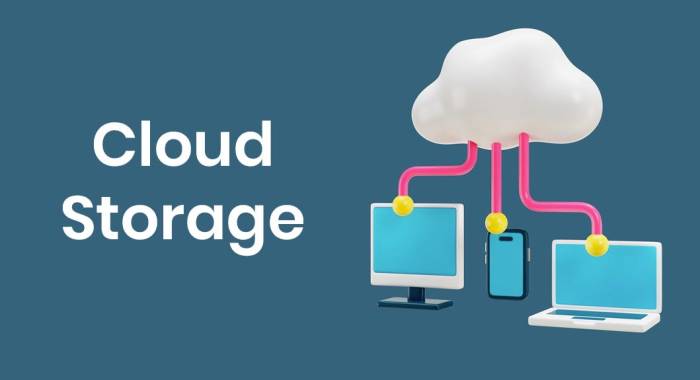
When it comes to setting up and accessing cloud storage, it's important to follow a few key steps to ensure a smooth experience. From creating an account to uploading files and syncing across devices, here's a guide to help you navigate the process seamlessly.
Creating an Account with a Cloud Storage Provider
- Choose a reliable cloud storage provider like Google Drive, Dropbox, or OneDrive.
- Visit the provider's website and look for the sign-up or create account option.
- Enter your email address, create a strong password, and follow the prompts to complete the registration process.
- Verify your email address to activate your account and gain access to your cloud storage space.
Uploading Files and Accessing Them from Different Devices
- Log in to your cloud storage account on your computer or mobile device.
- Locate the upload button or option within the platform and select the files you want to upload.
- Wait for the files to upload to your cloud storage space, which may take some time depending on the file size and internet speed.
- To access your files from another device, simply log in to your account on that device and navigate to the files you uploaded.
Syncing Folders and Files Across Devices Using Cloud Storage
- Enable automatic syncing on your devices by installing the cloud storage app and signing in with your account details.
- Create folders within your cloud storage space to organize your files and ensure easy access across devices.
- Any changes or additions made to files in one device will automatically sync to the cloud and reflect on other connected devices.
- Ensure that you have an internet connection to sync files across devices and access the latest versions of your files.
Managing Data in Cloud Storage
Effectively managing data in a cloud storage account is essential to ensure easy access, organization, and privacy of your files and folders.
Organizing Files and Folders
- Create a clear folder structure: Organize your files into folders based on categories, projects, or date to easily locate them later.
- Use descriptive file names: Rename files with meaningful names to quickly identify their content without opening them.
- Utilize tags and labels: Tag files with s or labels to enhance searchability and categorization.
Searching for Specific Files and Recovering Deleted Items
- Utilize search functionality: Use the search bar to find specific files by entering s or file names.
- Check the recycle bin: Deleted items are often moved to the recycle bin before permanent deletion, allowing you to recover them if needed.
- Consider version history: Some cloud storage services offer version history, allowing you to restore previous versions of files.
Maintaining Data Privacy and Managing Storage Space
- Enable two-factor authentication: Enhance security by enabling two-factor authentication to prevent unauthorized access to your account.
- Regularly review sharing settings: Check and adjust sharing settings to ensure only authorized users have access to your files.
- Monitor storage usage: Keep track of your storage space and remove unnecessary files or folders to free up space and optimize performance.
Collaborating and Sharing with Cloud Storage
Collaborating with others and sharing files are essential aspects of working with cloud storage solutions. Let's explore how users can make the most out of these features.
Collaborating on Documents and Projects
Collaborating on documents and projects using cloud storage is made easy with features like real-time editing and comments. Multiple users can work on the same document simultaneously, making it seamless to share ideas and make edits. This ensures that everyone is on the same page and can contribute to the project efficiently.
Methods for Sharing Files and Folders Securely
When it comes to sharing files and folders securely, cloud storage offers various options. Users can generate shareable links with customized permissions, such as view-only or editing access. Additionally, some platforms allow users to set expiration dates for shared links, adding an extra layer of security.
Advantages of Using Cloud Storage for Group Projects and Remote Work
Cloud storage is particularly advantageous for group projects and remote work settings. It enables team members to access and collaborate on files from anywhere, at any time. This flexibility promotes productivity and teamwork, even when team members are geographically dispersed.
Furthermore, cloud storage ensures that all files are stored centrally, reducing the risk of version control issues and data loss.
Last Word
In conclusion, Cloud storage solutions empower everyday users to securely store, manage, and share their data with ease. By harnessing the capabilities of cloud technology, individuals can streamline their digital workflows and collaborate effortlessly. Embracing cloud storage is not just a trend but a necessity in today's fast-paced digital landscape.
Helpful Answers
Can I access my cloud storage from any device?
Yes, most cloud storage services offer cross-device accessibility, allowing you to access your files from smartphones, tablets, laptops, and desktop computers.
Is my data safe in the cloud?
Cloud storage providers implement robust security measures such as encryption and multi-factor authentication to safeguard user data from unauthorized access. However, it's essential to follow best practices like using strong passwords and enabling security features.
How much storage space do I need for everyday use?
The amount of storage space required depends on your data usage. For everyday users, a few gigabytes to a couple of terabytes should suffice for storing documents, photos, and videos. Assess your storage needs based on the types of files you work with regularly.


![The 7 Best Smartwatches For Healthy Living [Shopper's Guide]](https://insurance.fokusmuria.co.id/wp-content/uploads/2025/10/5f879335418e92160512656e_6BNQQ5reHfxbkZCVFbk6-DO1qchTB6iQVB21qfie9Um6A3ncklhfZ6SKFyoHc2_SenpLkgZcvNhCuoMuZTzc1a3Izlx_wwvqQvWuRG5Y36CIrcicNd5cn6P3pBBGMOof4SGaRw0-120x86.jpeg)