Delving into the realm of air conditioner buying for European homes, this guide offers a detailed insight into the key considerations and factors that play a crucial role in making an informed decision. From understanding the various types suitable for European climates to emphasizing the significance of energy efficiency, this guide aims to equip you with the necessary knowledge to navigate the market with confidence.
Exploring the nuances of size and capacity requirements, energy efficiency options, and maintenance guidelines, this guide serves as a valuable resource for homeowners looking to invest in the right air conditioning system for their European abodes.
Overview of Air Conditioners for European Homes
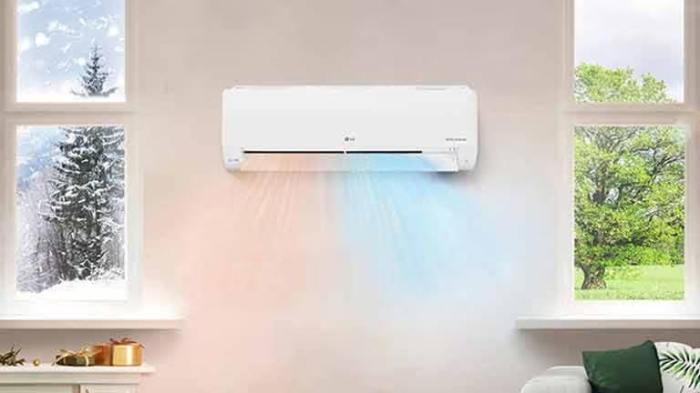
In European homes, air conditioning is becoming increasingly common due to rising temperatures and changing climate patterns. It is essential to choose the right type of air conditioner that suits the specific needs of European households.
Common Types of Air Conditioners
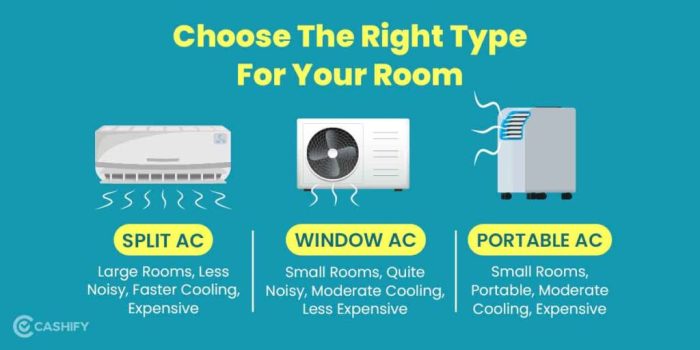
- Split Air Conditioners: Consisting of an indoor and outdoor unit, split air conditioners are popular in European homes for their quiet operation and energy efficiency.
- Portable Air Conditioners: Ideal for smaller spaces or apartments, portable air conditioners can be moved from room to room as needed.
- Window Air Conditioners: These units are mounted on windows and are a cost-effective option for cooling individual rooms in European homes.
Key Factors to Consider
- Size of the Room: It is important to choose an air conditioner with the appropriate cooling capacity based on the size of the room to ensure efficient cooling.
- Energy Efficiency: Opt for air conditioners with high energy efficiency ratings (SEER) to reduce electricity consumption and lower utility bills.
- Noise Levels: Consider the noise levels of the air conditioner, especially for bedrooms or living rooms where quiet operation is essential.
- Installation Requirements: Different types of air conditioners have varying installation requirements, so choose one that fits the layout of your European home.
Importance of Energy Efficiency
Energy efficiency is crucial when selecting an air conditioner for European homes, as it not only helps reduce energy consumption but also minimizes the environmental impact. Look for air conditioners with high SEER ratings to ensure optimal performance while keeping energy costs in check.
Size and Capacity Considerations
When it comes to choosing an air conditioner for your European home, selecting the right size and capacity is crucial for optimal performance and energy efficiency. The size and capacity of an air conditioner are measured in British Thermal Units (BTUs) or kilowatts (kW), and they determine the cooling ability of the unit.In European homes, the size and capacity requirements may vary depending on the climate of the region.
For example, homes in Southern Europe where the climate is generally hotter may require a higher capacity air conditioner compared to homes in Northern Europe where the climate is milder. It's essential to consider the climate of your specific region when determining the size and capacity of the air conditioner.
Comparison of Sizes and Capacities
In the European market, air conditioners are available in a range of sizes and capacities to suit different home sizes and cooling needs. Here is a comparison of various sizes and capacities commonly found:
- Small Air Conditioners (up to 12,000 BTUs):Ideal for small rooms or apartments with limited space. They are energy-efficient and cost-effective for cooling small areas.
- Medium Air Conditioners (12,000-18,000 BTUs):Suitable for average-sized rooms or open-plan living spaces. They offer a balance between cooling capacity and energy consumption.
- Large Air Conditioners (over 18,000 BTUs):Designed for larger spaces or multi-room cooling. They provide high cooling capacity but may consume more energy.
Energy Efficiency and Eco-Friendly Options
When it comes to choosing an air conditioner for your European home, considering energy efficiency and eco-friendliness is crucial. Not only can it help reduce your carbon footprint, but it can also lead to long-term cost savings on your energy bills.
Energy Efficiency Ratings and Labels
In Europe, air conditioners are typically rated based on their energy efficiency using the Energy Efficiency Ratio (EER) and Seasonal Energy Efficiency Ratio (SEER). The higher the EER or SEER rating, the more energy-efficient the air conditioner is. Look for labels such as the Energy Label, which rates appliances from A+++ (most efficient) to D (least efficient).
Eco-Friendly Refrigerants and Technologies
Modern air conditioners in Europe are moving towards using eco-friendly refrigerants such as R-32 and R-410A, which have lower Global Warming Potential (GWP) compared to older refrigerants like R-22. Additionally, technologies like inverter compressors and smart sensors help optimize energy usage and reduce environmental impact.
Tips for Choosing an Energy-Efficient and Eco-Friendly Air Conditioner
- Look for air conditioners with high EER or SEER ratings and Energy Labels with A+ or higher.
- Consider models that use eco-friendly refrigerants like R-32 or R-410A to minimize environmental impact.
- Opt for features like inverter compressors and smart sensors for better energy efficiency and performance.
- Proper sizing and installation are crucial for maximizing energy efficiency and reducing energy consumption.
- Regular maintenance and cleaning of air filters can help improve the efficiency and longevity of your air conditioner.
Installation and Maintenance Guidelines
When it comes to air conditioners in European homes, proper installation and maintenance are key to ensuring optimal performance and longevity of the unit. Below are detailed guidelines to help you with the installation and maintenance process.
Installation Process
Installing an air conditioner in a European home requires careful planning and attention to detail. Here are some key steps to follow:
- Choose the right location for the indoor and outdoor units, ensuring proper ventilation and access for maintenance.
- Properly insulate the area around the indoor unit to prevent energy loss and maximize efficiency.
- Ensure the unit is securely mounted and level to prevent vibrations and noise during operation.
- Connect the refrigerant lines and electrical wirings according to the manufacturer's instructions.
- Test the unit to ensure it is functioning correctly and adjust the settings as needed.
Maintenance Tips
Maintaining your air conditioner is essential to keep it running smoothly and efficiently. Here are some maintenance tips to follow:
- Regularly clean or replace the air filters to ensure proper airflow and prevent dust buildup.
- Inspect the outdoor unit for any debris or obstructions that may affect airflow.
- Check the refrigerant levels and refill if necessary to maintain optimal cooling performance.
- Schedule annual professional maintenance to check for any leaks, malfunctions, or other issues that may arise.
Importance of Regular Servicing
Regular servicing and professional maintenance are crucial for the longevity and efficiency of your air conditioner in a European home. Here's why:
- Professional technicians can identify and address any potential issues before they escalate, saving you time and money in the long run.
- Regular servicing can help maintain the warranty of your air conditioner and ensure it operates at peak performance levels.
- Professional maintenance can help improve the indoor air quality of your home by keeping the unit clean and functioning properly.
Final Review
In conclusion, the journey through this air conditioner buying guide for European homes sheds light on the complexities and considerations involved in selecting the ideal cooling solution. By prioritizing factors like energy efficiency, size suitability, and proper maintenance, homeowners can ensure optimal performance and longevity of their air conditioning units, thus enhancing comfort and sustainability within their living spaces.
FAQ Explained
What are the common types of air conditioners suitable for European homes?
Common types include split-system, multi-split, and portable air conditioners, each offering unique benefits suited to different home setups.
How does the climate in different European regions impact the size and capacity requirements of air conditioners?
Colder regions may require lower capacity units, while warmer regions might necessitate higher capacity models to effectively cool living spaces.
What eco-friendly refrigerants and technologies are used in modern European air conditioners?
Modern units often utilize refrigerants like R-32 or R-410A, along with technologies like inverter compressors for enhanced energy efficiency and reduced environmental impact.
Why is regular servicing and professional maintenance important for air conditioners in European homes?
Regular maintenance ensures optimal performance, energy efficiency, and prolongs the lifespan of air conditioners, safeguarding homeowners against costly repairs and premature replacements.


![The 7 Best Smartwatches For Healthy Living [Shopper's Guide]](https://insurance.fokusmuria.co.id/wp-content/uploads/2025/10/5f879335418e92160512656e_6BNQQ5reHfxbkZCVFbk6-DO1qchTB6iQVB21qfie9Um6A3ncklhfZ6SKFyoHc2_SenpLkgZcvNhCuoMuZTzc1a3Izlx_wwvqQvWuRG5Y36CIrcicNd5cn6P3pBBGMOof4SGaRw0-120x86.jpeg)